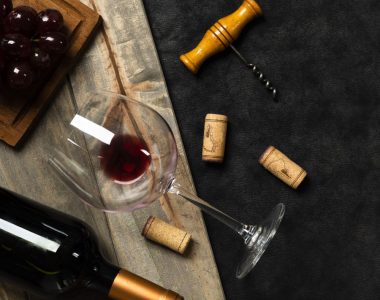
Wine tasting is an art that allows us to explore the nuances of flavors and aromas present in different wines. Whether you’re a wine enthusiast or a novice looking to expand your knowledge, this guide will take you through the essentials of ordering and enjoying wine at home. From selecting the right wine to understanding the tasting process, we’ll provide you with valuable insights to enhance your wine-tasting experience and make informed choices. So, grab a glass, uncork your curiosity, and embark on a sensory journey through the world of wine.
The Importance of Wine Selection
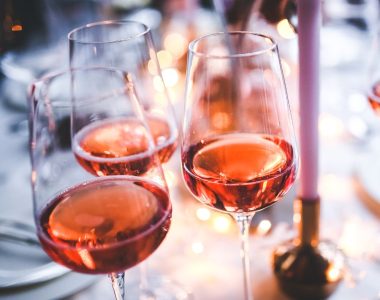
Choosing the right wine is crucial for a satisfying tasting experience. When ordering wine online, consider factors such as grape varietals, wine regions, and vintages. Opt for reputable online wine retailers or explore local vineyards’ websites for a diverse selection. Explore different wine styles, such as red, white, rosé, and sparkling, to cater to varying preferences and occasions. Understanding the characteristics of each style will help you make an informed choice.
Proper Storage and Serving
Proper storage and serving temperature play a significant role in maximizing a wine’s flavor potential. Store wine bottles horizontally in a cool, dark place to ensure their longevity. When serving, allow red wines to breathe and reach their ideal temperature by uncorking them 30 minutes before consumption. White wines and sparkling wines benefit from chilling in the refrigerator before serving. Serve wine in appropriate glassware to enhance the aromas and flavors, such as tulip-shaped glasses for red wines and flutes for sparkling wines.
Understanding the Tasting Process
Wine tasting involves a step-by-step process that engages our senses and helps us appreciate the wine’s nuances. Follow these key steps to fully experience and evaluate the wine:
Visual Evaluation: Examine the wine’s color, clarity, and viscosity. Tilt the glass against a white background to observe its hue, which provides insights into its age and grape variety.
Aroma Analysis: Swirl the wine gently in the glass to release its aromas. Take a moment to inhale and identify the scents. Note any fruity, floral, herbal, or oaky notes that emerge.
Taste Exploration: Take a small sip and allow the wine to coat your entire palate. Assess the wine’s flavor profile, including sweetness, acidity, tannins (for red wines), and body. Notice the balance, complexity, and length of the finish.
Consider Food Pairings: Experiment with pairing the wine with various foods to explore how flavors interact and complement each other. The right food pairing can elevate the wine-tasting experience.
Developing Wine Vocabulary
Enhance your wine-tasting experience by developing a vocabulary to describe and discuss wines accurately. Expand your wine lexicon by learning terms such as “fruit-forward,” “earthy,” “crisp,” “full-bodied,” and “velvety.” This vocabulary will help you articulate your preferences and engage in conversations with other wine enthusiasts.
Exploring Wine Regions and Varietals
Dive into the world of wine by exploring different wine regions and grape varietals. Familiarize yourself with renowned wine-producing regions, such as Bordeaux, Napa Valley, Tuscany, and Rioja. Each region has its distinctive characteristics and grape varieties, offering a diverse range of flavors and styles. Delve into the prominent varietals associated with each region, such as Cabernet Sauvignon, Chardonnay, Pinot Noir, and Sauvignon Blanc. Educate yourself about the unique characteristics and flavor profiles of these varietals, allowing you to make more informed choices when ordering wine.
Noteworthy Wine Tasting Terms and Techniques
To further enhance your wine-tasting skills, familiarize yourself with some common wine tasting terms and techniques. Terms like “legs” (the streaks that form on the inside of the glass), “terroir” (the environmental factors influencing the wine’s character), and “balance” (the harmony of different components) are essential to grasp. Techniques such as blind tasting, where you taste wines without knowing their identities, can sharpen your palate and ability to identify specific flavors and aromas.
Hosting Your Own Wine Tasting
Take your wine-tasting experience to the next level by hosting your own wine tasting events at home. Invite friends and family to explore different wines together. Create themed tastings, such as regional focus or a comparison of different vintages. Provide tasting notes and encourage discussions about the wines’ characteristics. Incorporate food pairings that complement the wines being tasted, enhancing the overall experience.
In Conslusion
Wine tasting is a journey of discovery and enjoyment. By understanding the importance of wine selection, proper storage, and serving techniques, as well as mastering the art of tasting and developing a wine vocabulary, you can elevate your wine-tasting experience at home. Explore different wine regions, varietals, and techniques, and don’t forget to share your knowledge and experiences with fellow wine enthusiasts. So, let the exploration continue, and may every sip bring you closer to the fascinating world of wine.